Nearly two decades of ecological farming, seed sovereignty and community empowerment from one acre of land in Thika, Kenya.
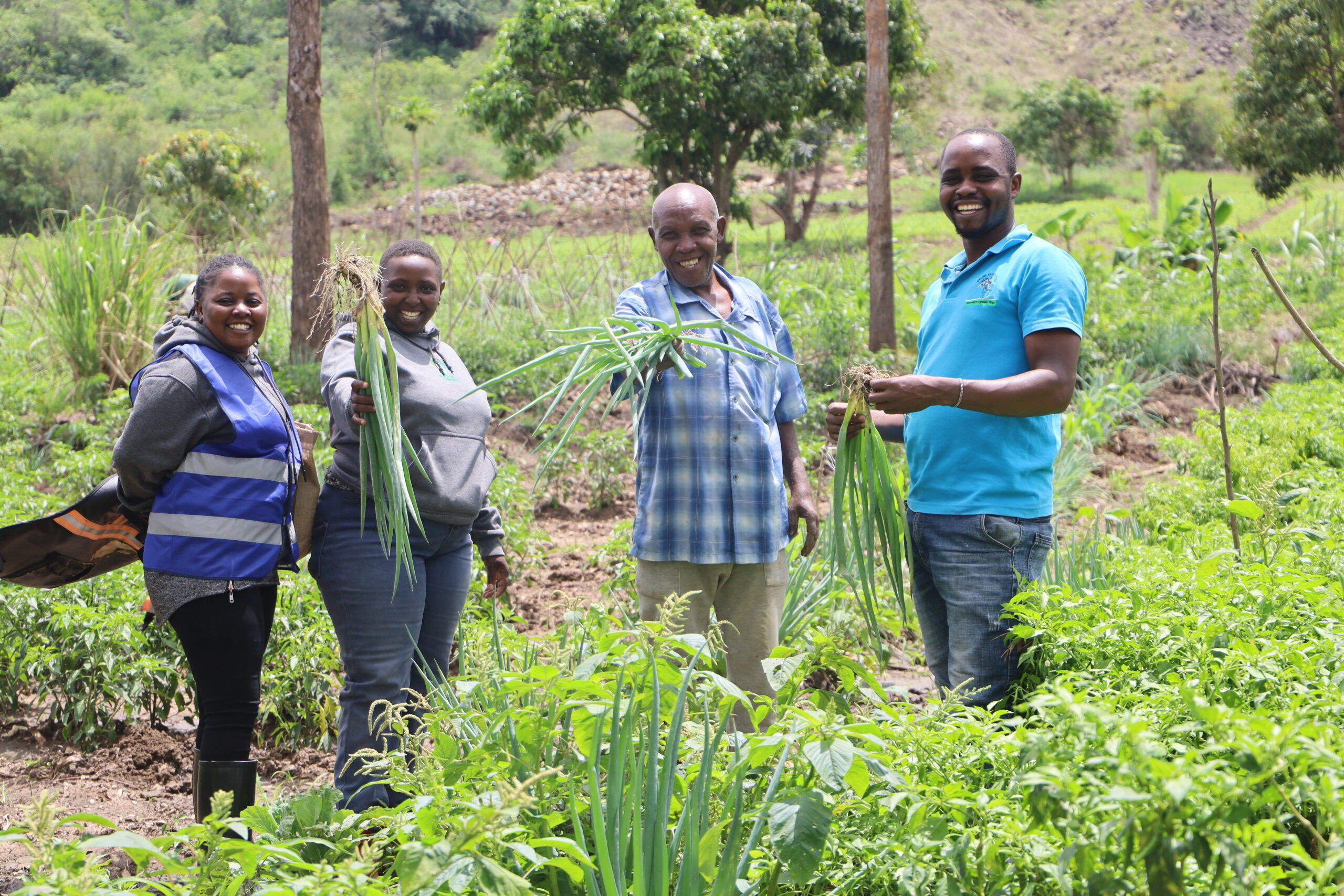
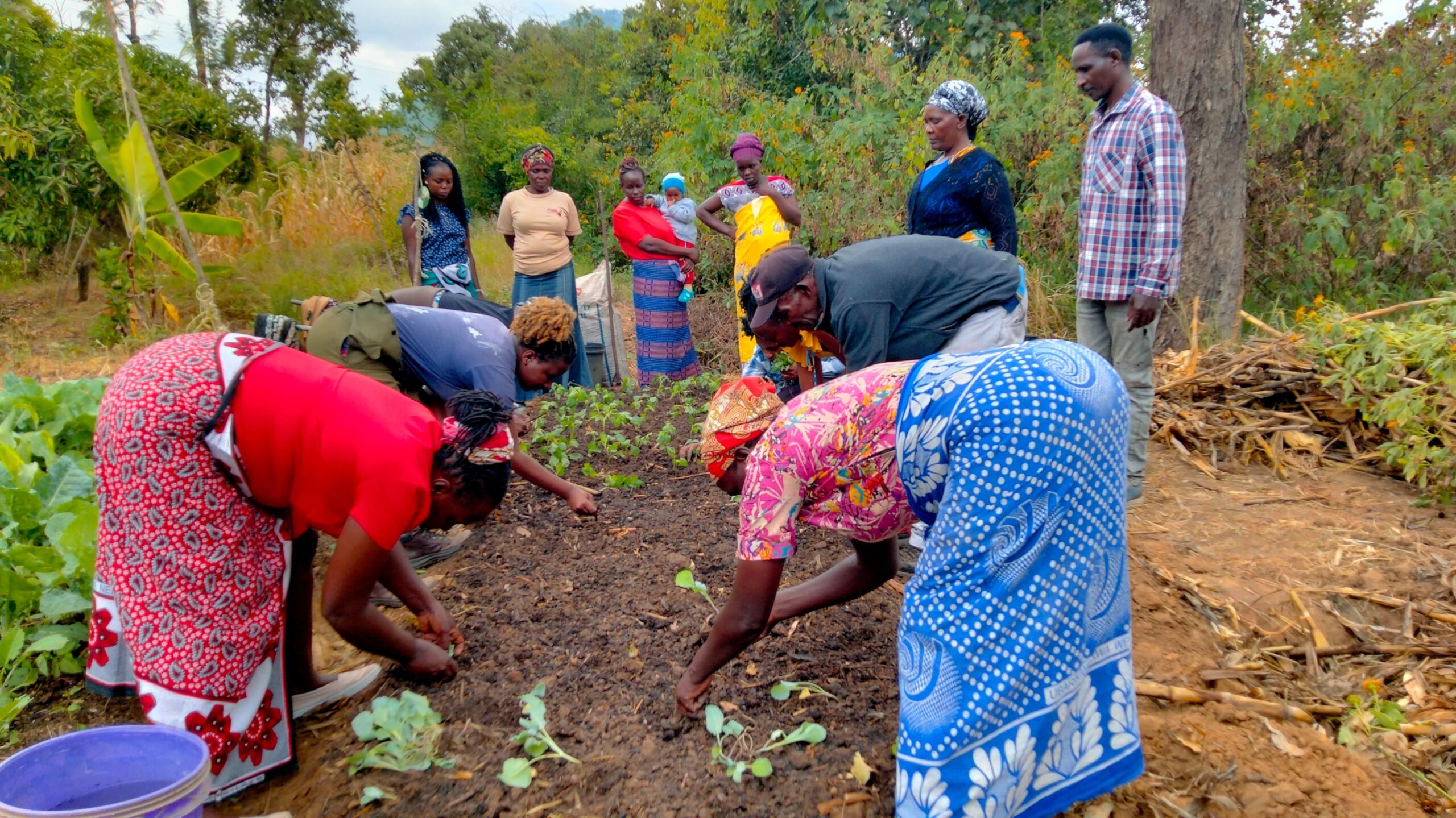
G-BiACK’s one-acre demonstration farm in Thika — transformed from bare land into 160+ organically grown beds
G-BiACK was founded by Samuel Nderitu and his wife Peris Wanjiru, both graduates of the renowned Manor House Agricultural Centre in Kitale, Kenya — sponsored by the Kilili Self Help Project.
"I went to agricultural school through much effort — I had no way to pay. Someone paid for me. Later I found out she was a donor from the Bay Area in the United States. Thanks to her trust, G-BiACK exists and I do what I do."
— Samuel Nderitu, Founder & Director, G-BiACKAfter witnessing the violence of Kenya’s post-election crisis, Samuel and Peris relocated to Thika — an area facing a six-year drought and high HIV/AIDS rates — where they felt their work could have the greatest impact. Beginning on a single acre that had “only a pair of mango trees,” they built a farm that now has over 160 vegetable beds, a greenhouse, fish ponds, fruit trees, a seed bank, a community library, and a women’s centre.
To seed a sense of empowerment and self-reliance in communities that leads to improved food security, food sovereignty, sustainable livelihoods and a healthier, improving environment — through the practice and promotion of GROW BIOINTENSIVE agriculture.
Communities across Kenya and beyond where there is a healthy environment, healthy people who are gainfully employed and lead fulfilled lives — sustained by ecologically viable, chemical-free farming systems they own and control.
We operate with honesty and responsibility in every interaction with farmers, communities, donors and partners — our word is our bond.
We build farming systems and communities that can recover, adapt and thrive under stress — from drought to economic shocks to climate change.
Every programme, every training, every decision is made with the smallholder farmer and their family at the centre. Communities lead; we support.
Farmers have the right to define their own food and agriculture systems. We protect that right through seed saving, indigenous knowledge and land stewardship.
We are stewards of the soil, water and biodiversity. Every practice we teach sequesters carbon, reduces erosion, and protects natural ecosystems.
100% of international donations reach farmer training. We publish annual reports, keep transparent records and hold ourselves to the highest fiduciary standards.
From a bare acre with two mango trees to a nationally recognised training centre — here is how G-BiACK grew.
Visit the FarmSamuel and Peris Nderitu establish G-BiACK in Thika, transforming bare land into a model biointensive farm and training centre serving vulnerable neighbouring communities.
G-BiACK begins documenting and expanding its agroecological work in central Kenya while strengthening links to the wider GROW BIOINTENSIVE movement and Ecology Action network.
G-BiACK wins the 2012 Food Sovereignty Prize and is featured in YES! Magazine as a world-leading example of community-led ecological farming.
G-BiACK co-hosts the African Biointensive Movement Workshop, connecting farmers, trainers and leaders from Kenya, DRC, Ghana, Rwanda and beyond.
G-BiACK launches the annual Mbegu Yetu (Our Seeds) Forum — Kenya’s premier seed sovereignty gathering, now drawing hundreds each year.
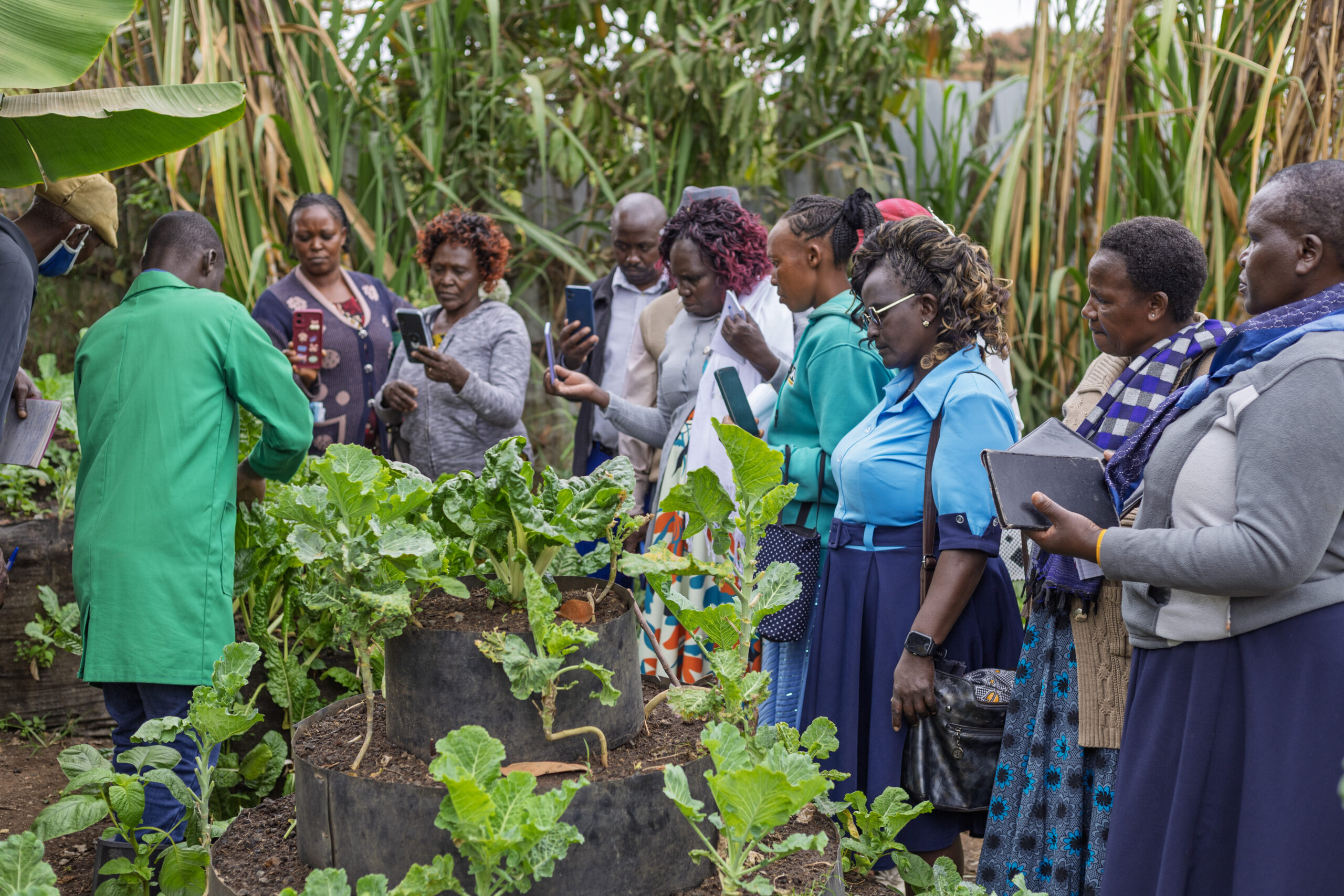
G-BiACK is profiled as Kenya’s model integrated farm, with 30,000+ farmers trained and 160+ double-dug beds in continuous organic production.
The 2026 edition of Mbegu Yetu Forum is set for 28 August 2026 — bringing together farmers, seed savers and advocates under the theme “Our Seeds, Our Stories, Our Sovereignty.”
Awarded in recognition of G-BiACK’s outstanding contribution to community-led food systems and farmer rights at the grassroots level in Kenya.
One of Ecology Action’s trusted African partner organisations, connected to 50+ years of GROW BIOINTENSIVE research and a global network of practitioners.
PAN International is a network of over 600 participating nongovernmental organisations, institutions and individuals in over 90 countries working to replace hazardous pesticides with ecologically sound and socially just alternatives.
Internationally featured in YES! Magazine and Food First as a world-leading example of agroecological transformation and grassroots food sovereignty.
G-BiACK is a fully registered Non-Governmental Organisation in Kenya, maintaining transparent financial records and full accountability to donors and communities.
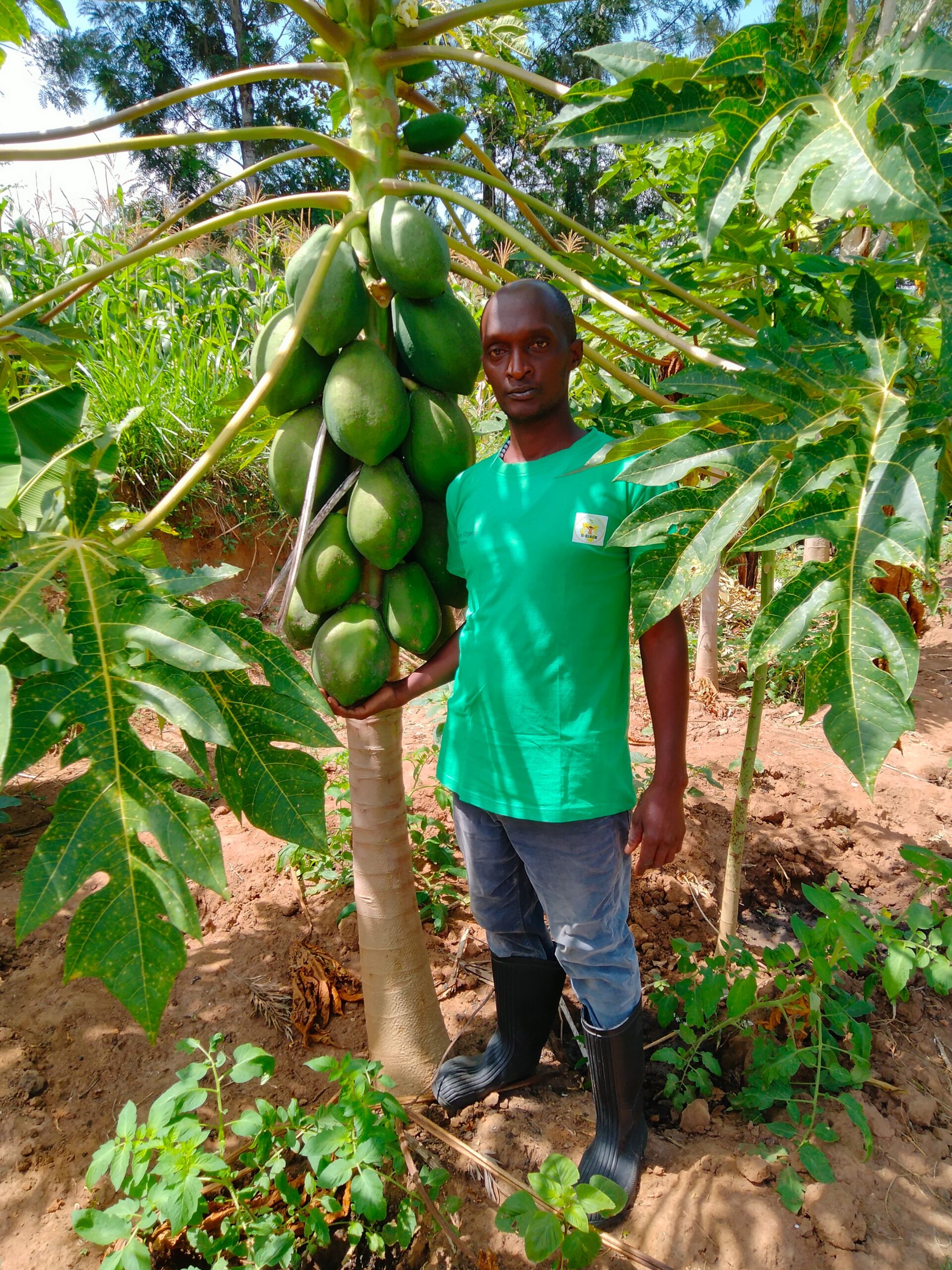
In Matungulu North Ward, G-BiACK member James Mumo rebuilt his depleted soil using composting and deep digging. His beds now produce year-round vegetables while his neighbours’ conventional plots struggle in dry seasons.
Mwang’a Farmer Group — Machakos County
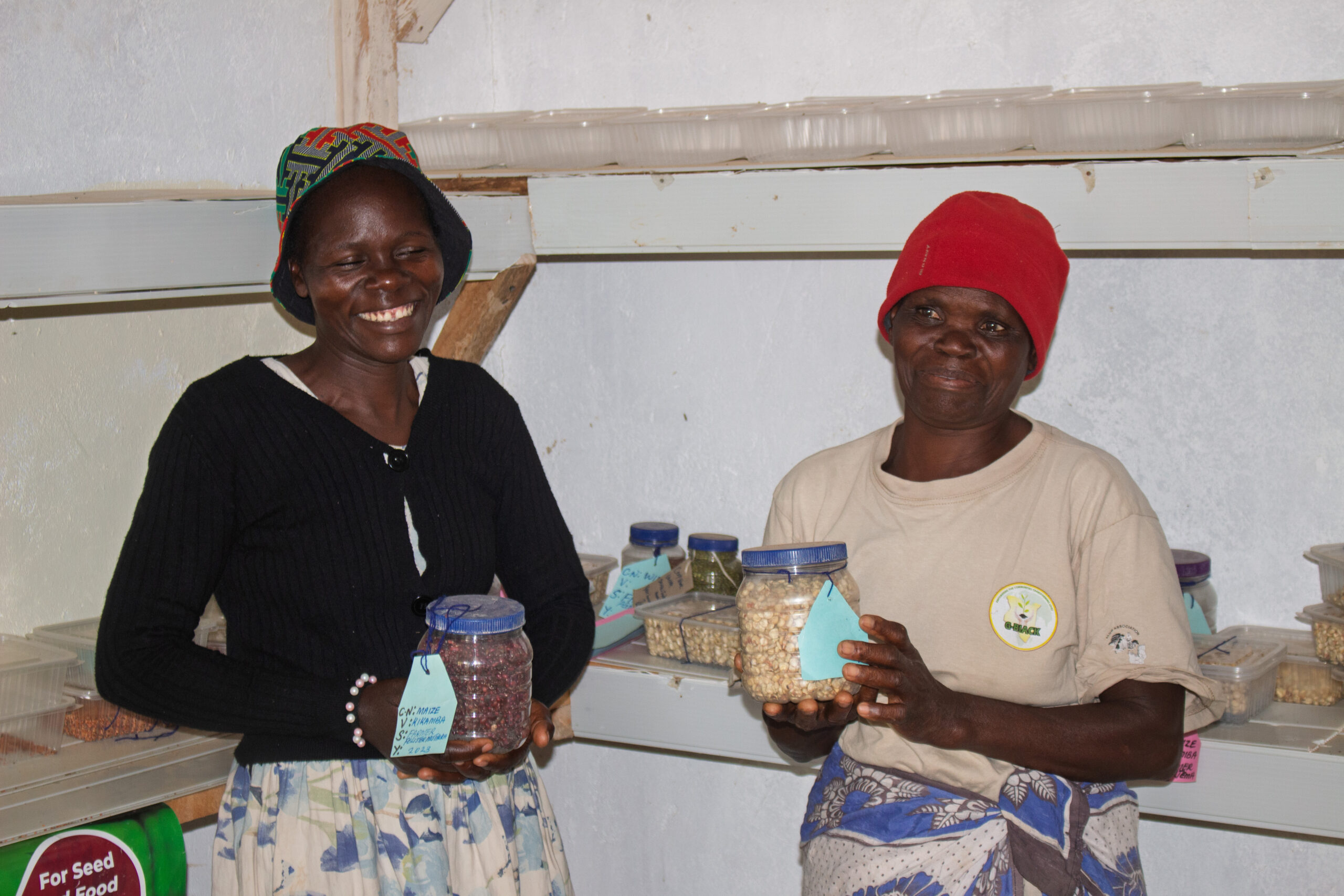
Grace Musyoki and Agnes Kileti trained at G-BiACK and established Mwanga Community’s first indigenous seed bank. They now supply seeds to 40+ households, saving each family thousands of shillings each season.
Mwanga Community — Central Kenya
When drought devastated farms across the region, one G-BiACK-trained farmer’s composted biointensive beds retained enough moisture to produce a harvest. He now hosts monthly field days for surrounding communities.
Central Province — Kenya
Seeing his father’s thriving biointensive farm, a young Nairobi worker resigned and returned home. Together they have tripled the number of beds and now employ two community members from the income they generate.
Kiambu County — Kenya
Every contribution — large or small — goes directly to training farmers, conserving seeds and rebuilding communities across Kenya.